
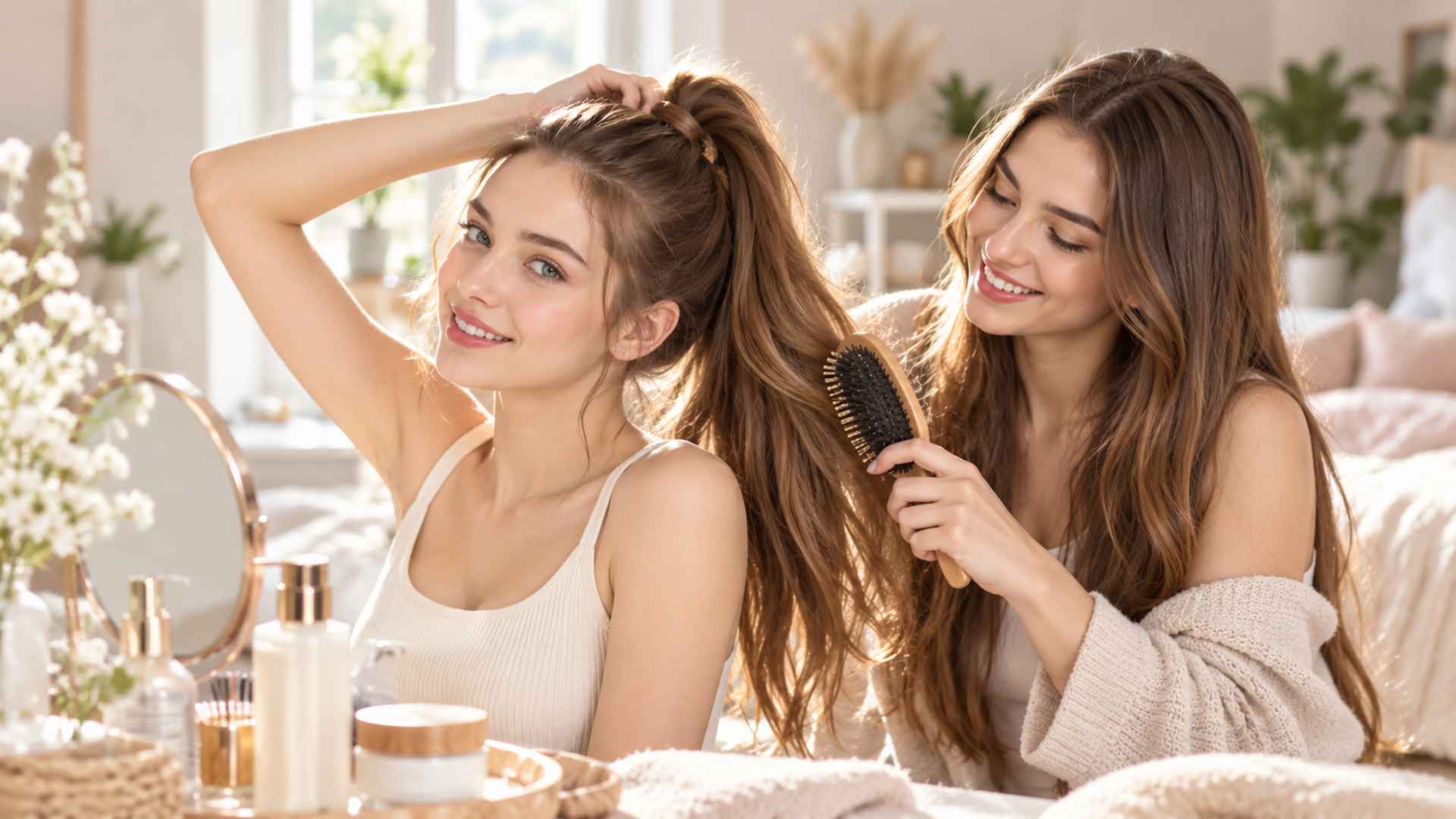
Healthy-looking hair can make a noticeable difference in how you feel throughout the day. Whether your hair is straight, wavy, curly, or coily, maintaining its softness and manageability starts with simple habits that fit naturally into your daily routine. Exposure to sunlight, pollution, heat styling, and frequent washing can leave strands feeling dry, rough, or difficult to style. Fortunately, you do not need an expensive collection of products to maintain beautiful hair. A consistent routine that focuses on gentle cleansing, adequate moisture, and careful handling can help improve the overall appearance and texture of your hair over time.
Building an effective hair care routine also means understanding what your hair needs rather than following every trending treatment. Different hair types respond differently to shampoos, conditioners, oils, and styling products, so choosing suitable options is essential. Small adjustments, such as using lukewarm water, detangling carefully, and reducing unnecessary heat exposure, can make everyday styling easier. With the right approach, everyday hair care tips for soft, manageable hair can help you maintain smoother strands, reduce tangles, and support healthier-looking hair without making your routine complicated or time-consuming.
Choose the Right Hair Care Products for Your Hair Type
Selecting suitable hair care products is one of the most important steps toward achieving soft, manageable hair. Start by considering your scalp condition, hair texture, and specific concerns, such as dryness, frizz, or excess oil. A gentle shampoo can remove dirt, sweat, and product buildup without leaving your hair feeling excessively stripped. If your scalp becomes oily quickly, you may benefit from washing more frequently, while dry or textured hair may feel better with less frequent cleansing. Pay attention to how your hair responds after washing and adjust your routine accordingly. The goal is to keep your scalp comfortable and your strands clean without disrupting their natural moisture balance.
Conditioner is equally important because it helps smooth the hair surface, improve slip, and make detangling easier. Apply it mainly to the mid-lengths and ends, where dryness and friction are often more noticeable, especially if your roots tend to become oily. For hair that feels particularly dry, a moisturizing hair mask used occasionally can provide additional conditioning. Leave-in conditioners may also help reduce friction and make styling more manageable throughout the day. However, using too many products at once can weigh down fine hair or cause buildup. Choose products based on your actual needs, introduce new items gradually, and remember that consistency is usually more useful than constantly switching between different formulas.
Build a Gentle Washing Routine That Protects Hair
The way you wash your hair can influence its softness, shine, and overall manageability. Begin by thoroughly wetting your hair with lukewarm water before applying shampoo to your scalp. Massage the product gently with your fingertips instead of scratching with your nails, and allow the lather to rinse through the lengths without aggressively rubbing them together. Concentrating shampoo on the scalp helps remove excess oil and buildup while limiting unnecessary friction on the ends. Extremely hot water may leave some hair feeling drier, so a comfortable, moderate temperature is a practical choice for regular washing.
Keep Hair Moisturized to Reduce Frizz and Tangles
Moisture is essential for hair that feels smooth and responds well to styling. After washing, use a conditioner suited to your hair type and allow it to sit for the recommended time before rinsing. When your hair is damp, apply a small amount of leave-in conditioner or another suitable moisturizing product if needed. Focus on areas that tend to feel rough, develop knots, or become frizzy in humid weather. Avoid applying excessive amounts, particularly near the roots, because heavy product layers can make hair look flat or greasy. A balanced approach helps maintain softness without sacrificing natural movement.
Detangle Hair Carefully to Minimize Breakage
Detangling is an important part of maintaining manageable hair, but rushing through knots can cause unnecessary breakage. Start by separating your hair into smaller sections if it is thick, long, or prone to tangling. Use a wide-tooth comb or a brush designed for your hair type, working gently from the ends toward the roots. This method helps loosen knots gradually instead of pulling them tighter along the hair shaft. For curly or coily hair, detangling with conditioner in the shower can provide extra slip and make the process easier. Avoid forceful brushing, especially when your hair is wet and more vulnerable to stretching. Taking a few extra minutes each day can help preserve length, reduce flyaways, and make styling less frustrating.
Limit Heat Styling to Preserve Hair Softness
Frequent exposure to high temperatures from blow-dryers, straighteners, and curling irons can contribute to dryness, roughness, and hair breakage. Whenever possible, let your hair air-dry partially before using a blow-dryer, and choose a lower heat setting that still achieves your desired result. Apply a heat protectant before using hot styling tools, following the product instructions for effective coverage. It is also helpful to alternate heat-styled looks with natural hairstyles that require little or no thermal treatment. Avoid repeatedly passing a straightener over the same section, as unnecessary heat exposure can increase damage. By making heat styling an occasional choice rather than a daily necessity, you can help maintain smoother strands and make your regular hair care routine more effective.
Protect Hair From Friction and Environmental Damage
Everyday activities can affect hair condition more than you might expect. Rubbing wet hair vigorously with a regular towel, sleeping on rough fabrics, and tying hair too tightly can create friction that contributes to tangles and breakage. Instead, gently squeeze excess water from your hair with a soft towel or cotton T-shirt, and consider using a satin or silk pillowcase to reduce friction while sleeping. Choose loose hairstyles when possible, especially if you keep your hair tied back for long periods. Sun exposure, wind, and swimming can also leave hair feeling dry or tangled, so consider wearing a hat outdoors and rinsing your hair after swimming. These small protective habits help reduce avoidable stress on the hair throughout the day.
Maintain Healthy Hair With Consistent Lifestyle Choices
Your daily lifestyle can support the condition of your hair alongside external hair care products. Eating a balanced diet that includes sufficient protein, healthy fats, vitamins, and minerals helps provide the nutrients your body needs for normal hair growth. Eggs, fish, legumes, nuts, seeds, fruits, and vegetables can contribute to a varied and nutritious eating pattern. Drinking enough water supports overall health, although simply increasing water intake will not repair damaged hair strands. Adequate sleep and stress management are also valuable because prolonged stress and certain nutritional deficiencies can contribute to excessive shedding in some people. If you experience persistent hair loss or sudden changes in hair density, consider consulting a qualified healthcare professional rather than relying solely on cosmetic treatments.
Consistency is the foundation of an effective routine for soft, manageable hair. You do not need to follow every hair care trend or use numerous products to see improvements in how your hair feels and behaves. Focus on gentle cleansing, regular conditioning, careful detangling, and sensible heat protection, then adjust your routine according to seasonal changes and your hair’s response. Keep in mind that damaged hair cannot biologically repair itself, although conditioning products can temporarily smooth the surface and improve its appearance. With realistic expectations and thoughtful daily habits, you can reduce unnecessary friction, manage frizz more effectively, and make styling easier. Over time, these practical choices can help your hair look smoother, feel softer, and remain more manageable as part of your everyday self-care routine.