
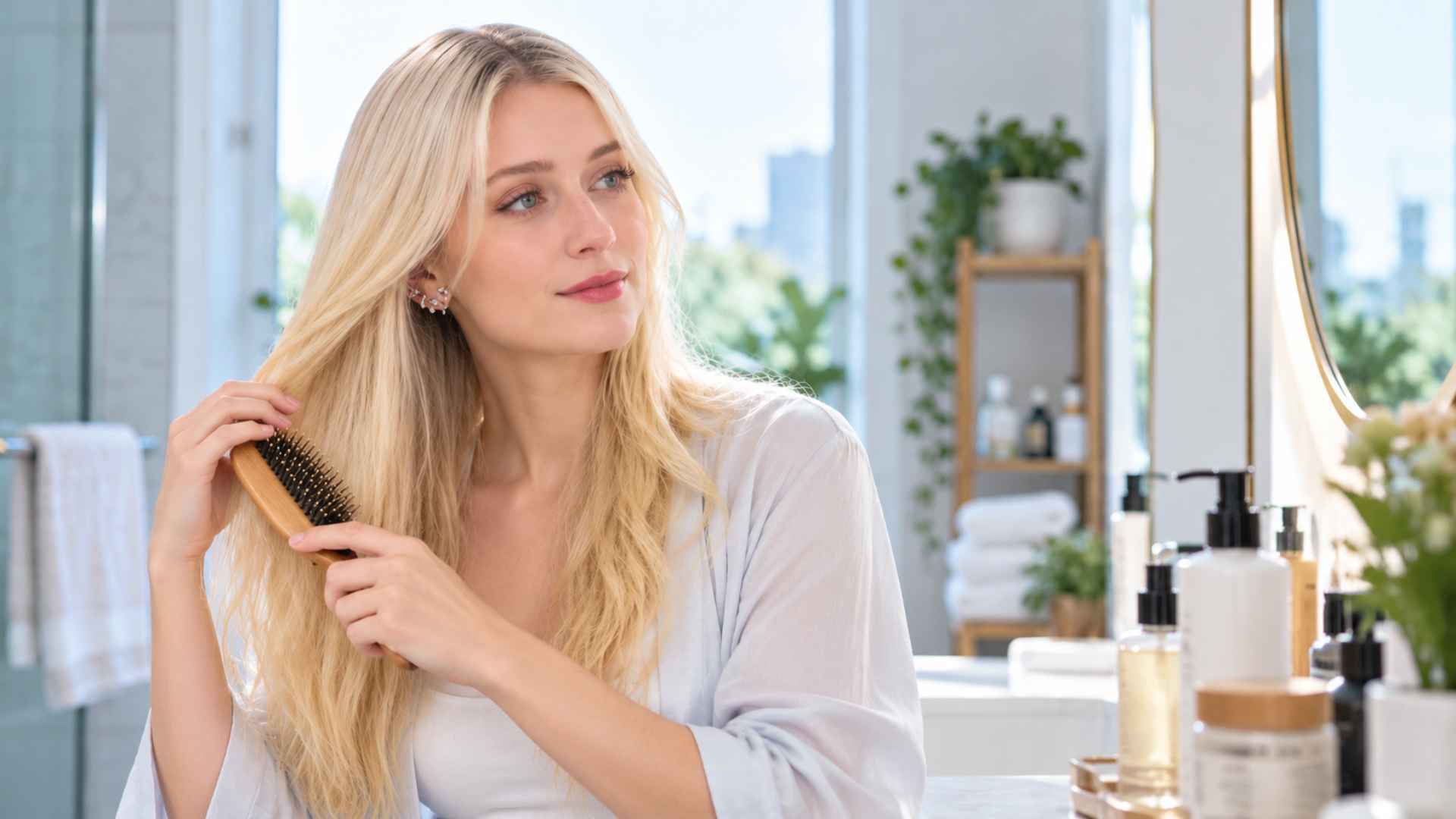
Healthy, beautiful hair often begins with simple habits rather than expensive treatments or complicated routines. Daily activities such as brushing, washing, drying, and styling can influence the strength, softness, and overall appearance of your strands. When hair receives consistent care, it becomes easier to manage, looks smoother, and feels more comfortable to touch. Understanding how everyday choices affect hair health can help you build a routine that supports long-lasting results without exposing your strands to unnecessary stress.
A thoughtful hair care routine focuses on maintaining moisture, minimizing breakage, and protecting the scalp. Different hair types have different needs, so the most effective approach is to pay attention to your hair’s texture, condition, and response to specific products. By choosing gentle techniques and making small adjustments to your daily habits, you can improve manageability while encouraging stronger, silkier strands. The goal is not to achieve perfection overnight but to create sustainable practices that keep your hair looking healthy over time.
Understanding The Foundations Of Healthy Hair Care
Hair health depends on several interconnected factors, including moisture balance, scalp condition, and the way strands are handled throughout the day. Each hair strand has an outer protective layer called the cuticle, which helps preserve its inner structure. When this layer becomes damaged through excessive heat, rough brushing, or harsh chemical treatments, hair may appear dull, feel rough, and become more vulnerable to breakage. Gentle handling helps protect the cuticle, allowing strands to retain a smoother appearance and better manageability.
Another important foundation is choosing products that match your hair’s specific needs. Fine hair may benefit from lightweight formulas that do not leave a heavy residue, while thick, curly, or textured hair often responds well to richer conditioners that support moisture retention. Dryness, frizz, and tangling can also indicate that your current routine needs adjustment. Instead of following every trending treatment, focus on consistent cleansing, suitable conditioning, and protective habits. A personalized approach makes it easier to maintain comfortable, healthy-looking hair without unnecessary product buildup or excessive styling.
Building A Gentle Washing Routine For Lasting Softness
Washing your hair correctly helps remove excess oil, sweat, dead skin cells, and product residue that accumulate on the scalp. The ideal washing frequency depends on your scalp’s oil production, activity level, and hair texture. Apply shampoo primarily to the scalp, using your fingertips to massage gently rather than scratching with your nails. Allow the lather to move through the lengths as you rinse, since vigorous rubbing can create tangles and increase friction. Choose a shampoo suited to your scalp condition, and avoid using water that feels excessively hot because it may contribute to dryness and discomfort.
Conditioner is equally important for maintaining softness and reducing friction between strands. After shampooing, distribute conditioner through the mid-lengths and ends, where dryness and tangling are often more noticeable. Leave it on for the recommended time before rinsing thoroughly. If your hair feels particularly dry, a moisturizing hair mask used occasionally may provide additional conditioning. However, applying heavy products too frequently can weigh down finer strands. A balanced washing routine should leave your scalp feeling clean and your hair feeling manageable, rather than stripped, coated, or difficult to style.
Protecting Hair From Everyday Damage And Breakage
Everyday habits can gradually affect hair strength, even when they seem harmless. Pulling hair tightly into ponytails, brushing through stubborn knots, or repeatedly using high-temperature styling tools can place unnecessary stress on the strands. Wet hair also requires extra care because it stretches more easily and may break when handled roughly. Small changes, such as loosening hairstyles and allowing hair to dry partially before styling, can reduce avoidable damage. Consistent protection is particularly valuable for hair that has already been weakened by coloring, bleaching, or frequent heat exposure.
Choosing Gentle Brushing Techniques For Smoother Strands
Brushing helps distribute styling products and arrange hair neatly, but aggressive brushing can cause breakage and split ends. Start by removing tangles from the ends before gradually working upward toward the roots. Use a wide-tooth comb or a detangling brush appropriate for your hair texture, and avoid pulling when you encounter resistance. For curly or tightly textured hair, detangling with conditioner during washing may help reduce friction. Rather than brushing repeatedly to achieve artificial smoothness, focus on removing knots carefully and preserving the natural structure of your strands.
Reducing Heat Styling To Preserve Natural Strength
Frequent exposure to flat irons, curling wands, and high-temperature blow dryers can weaken the hair’s protective cuticle over time. Whenever possible, allow your hair to air-dry or use a blow dryer on a lower heat setting. When heat styling is necessary, apply a suitable heat protectant and avoid repeatedly passing hot tools over the same section. Keep styling tools moving instead of concentrating heat in one area, and reserve high-temperature styling for occasions when it is genuinely needed. These adjustments can help minimize damage while allowing you to maintain a polished hairstyle.
Supporting Moisture With Nourishing Hair Care Products
Moisture plays an important role in keeping hair flexible, soft, and easier to detangle. Conditioners, leave-in treatments, and selected hair oils can help reduce friction, improve surface smoothness, and limit moisture loss from the hair fiber. Ingredients such as glycerin, fatty alcohols, and conditioning agents can be useful depending on the formulation and your hair type. Lightweight products may suit fine strands, whereas thicker or curlier hair may benefit from richer formulas. Apply products according to their directions and concentrate them on dry lengths and ends when appropriate. Remember that conditioning improves the appearance and manageability of existing hair, but it cannot permanently repair split ends.
Maintaining Stronger And Silkier Hair Through Daily Habits
Hair care extends beyond the products applied in the shower. A balanced diet containing adequate protein, iron, zinc, and other essential nutrients supports normal hair growth and overall health. Protein is particularly relevant because hair is primarily composed of a structural protein called keratin. Eating a varied selection of nutrient-rich foods, staying hydrated, and getting sufficient sleep can contribute to general well-being, which also supports healthy hair maintenance. Supplements are not automatically necessary, and excessive intake of certain nutrients may cause harm. If you experience persistent shedding or noticeable thinning, consider seeking advice from a qualified healthcare professional instead of relying exclusively on cosmetic products.
Protective habits also matter when dealing with environmental stressors and nighttime friction. Sun exposure, wind, chlorine, and salt water may leave hair feeling dry or tangled, so consider wearing a hat outdoors and rinsing your hair after swimming. Before bed, loosely secure longer hair to reduce tangling, and consider using a smooth pillowcase if friction is a recurring concern. Trim split ends when needed to prevent damaged ends from continuing to fray along the hair shaft. Most importantly, give your routine time to work. Stronger, silkier strands develop through consistent care, realistic expectations, and an understanding of what your hair needs. By combining gentle washing, careful detangling, moisture support, and everyday protection, you can maintain smoother, more resilient hair without making your routine unnecessarily complicated.