
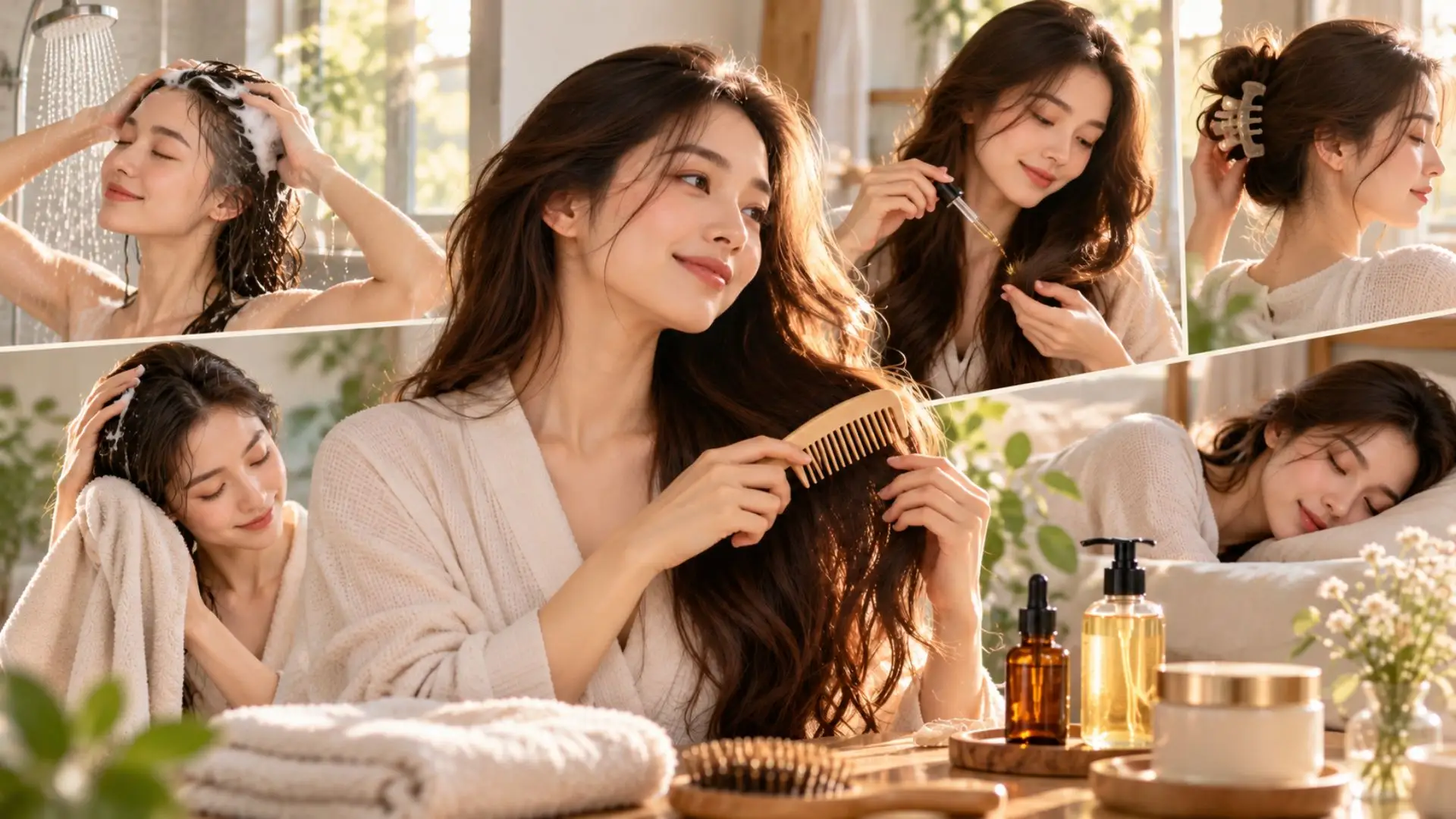
Healthy hair is not always the result of an expensive product collection or a complicated beauty schedule. The way hair is handled between washes can have just as much influence on how smooth, flexible, and manageable it feels. Rubbing wet strands with a towel, rushing through knots, or repeating the same tight style may seem harmless in the moment. Over time, however, these choices can put extra strain on hair that is already exposed to weather, friction, and everyday movement. A more thoughtful routine begins by noticing where unnecessary pulling or rough handling happens.
The goal is not to keep every strand perfectly in place. It is to make normal activities easier on hair while still enjoying the styles you like. Fine hair may need lighter products and careful brushing, while thick curls often respond better to more moisture and section by section detangling. Color treated lengths can require additional care because previous processing may leave them more vulnerable to damage. By working with your own texture and schedule, you can build habits that feel natural rather than turning hair care into another demanding task.
Build a Better Foundation on Wash Day
A comfortable routine begins at the scalp, but the ends deserve attention too. Choose a shampoo that cleans effectively without leaving your scalp feeling uncomfortably tight, and concentrate most of the cleansing action near the roots. As the lather rinses away, it can help remove residue from the lengths without excessive scrubbing. Use your fingertips rather than your nails, and avoid piling long hair into a tangled bundle on top of your head. Washing frequency should reflect how oily your scalp becomes, how often you exercise, and the products you use. Clean hair is easier to manage when washing does not create extra knots that must be pulled apart afterward.
Give Conditioner Enough Time to Do Its Job
Conditioner helps reduce friction between strands, which can make combing less stressful. Apply it mainly where your hair feels dry or tangles easily, usually through the middle sections and ends. Spread the product gently and follow the directions for how long to leave it on before rinsing. Hair that becomes weighed down easily may prefer a lighter formula, while coarse or highly textured hair might benefit from richer conditioning. Avoid judging a product only by how slippery hair feels while it is wet. Notice whether the strands remain manageable after drying and throughout the following day. The right amount of conditioning can simplify your routine without leaving unnecessary residue.
Make Everyday Styling Less Demanding on Hair
Before styling, consider how much handling a particular look requires. A loose braid, relaxed bun, or comfortably secured ponytail may keep hair out of the way without constant readjustment. Changing the placement of a ponytail can also prevent the same area from receiving repeated pressure every day. Choose accessories with smooth surfaces and remove them slowly, especially if loose strands have wrapped around the material. A hairstyle should not cause a pulling sensation around the temples or scalp. If it does, release some tension instead of waiting until the end of the day. Comfort is a useful sign that a style fits your routine.
Work Through Tangles With Patience
Knots become harder to manage when a brush is forced through them from the roots. Start by separating the hair into manageable sections, then loosen tangles near the ends before moving upward. Hold the section above a knot to limit pulling at the scalp. Depending on your texture, fingers, a wide tooth comb, or a flexible detangling brush may offer better control. Some curls are easier to detangle while damp and coated with conditioner, whereas other hair types tolerate gentle dry brushing better. There is no need to follow one method for everyone. The important habit is to slow down when resistance increases rather than treating every knot as something to overcome with force.
Control Heat Without Giving Up Your Favorite Styles
Hair dryers, curling tools, and straighteners can be useful, but high temperatures and repeated passes increase the chance of dryness and damage. Whenever possible, remove excess water by gently squeezing with a soft towel instead of rubbing. Allow hair to dry partly before using a dryer if that works for your texture and styling needs. Select a moderate heat setting, keep the dryer moving, and use a suitable heat protection product according to its instructions. Flat irons and curling tools should generally be used on fully dry hair unless the device is specifically designed otherwise. You can also rotate in styles that do not require heat, giving your lengths a break from frequent temperature exposure.
Protect Your Hair During Sleep and Movement
Even after styling is finished, hair can rub against pillows, clothing, and bag straps. If you wake up with tangled lengths, try gathering them loosely before bed or using a smooth pillowcase. Choose a nighttime arrangement that does not tug on your hairline or feel uncomfortable while lying down. During exercise, secure hair firmly enough to stay out of your face without making the style painfully tight. Windy conditions may call for a braid or another contained style to reduce tangling. Small adjustments like these are particularly helpful for longer hair because its ends have spent more time exposed to ordinary wear.
Keep Your Routine Flexible as Hair Needs Change
A useful hair routine should be easy to maintain during busy weeks, humid weather, and changes in length or texture. Pay attention to patterns rather than relying on a fixed collection of rules. If the ends feel rough, consider whether heat use, friction, or detangling habits have changed. If hair suddenly feels heavy, you may be using more conditioning or styling product than you need. Regular trims can remove existing split ends, although they cannot repair the underlying damage or prevent all future breakage. Persistent scalp pain, noticeable thinning, or unusual shedding deserves attention from a qualified professional. For everyday care, steady, gentle choices usually offer more practical value than constantly replacing products or chasing perfect results.