
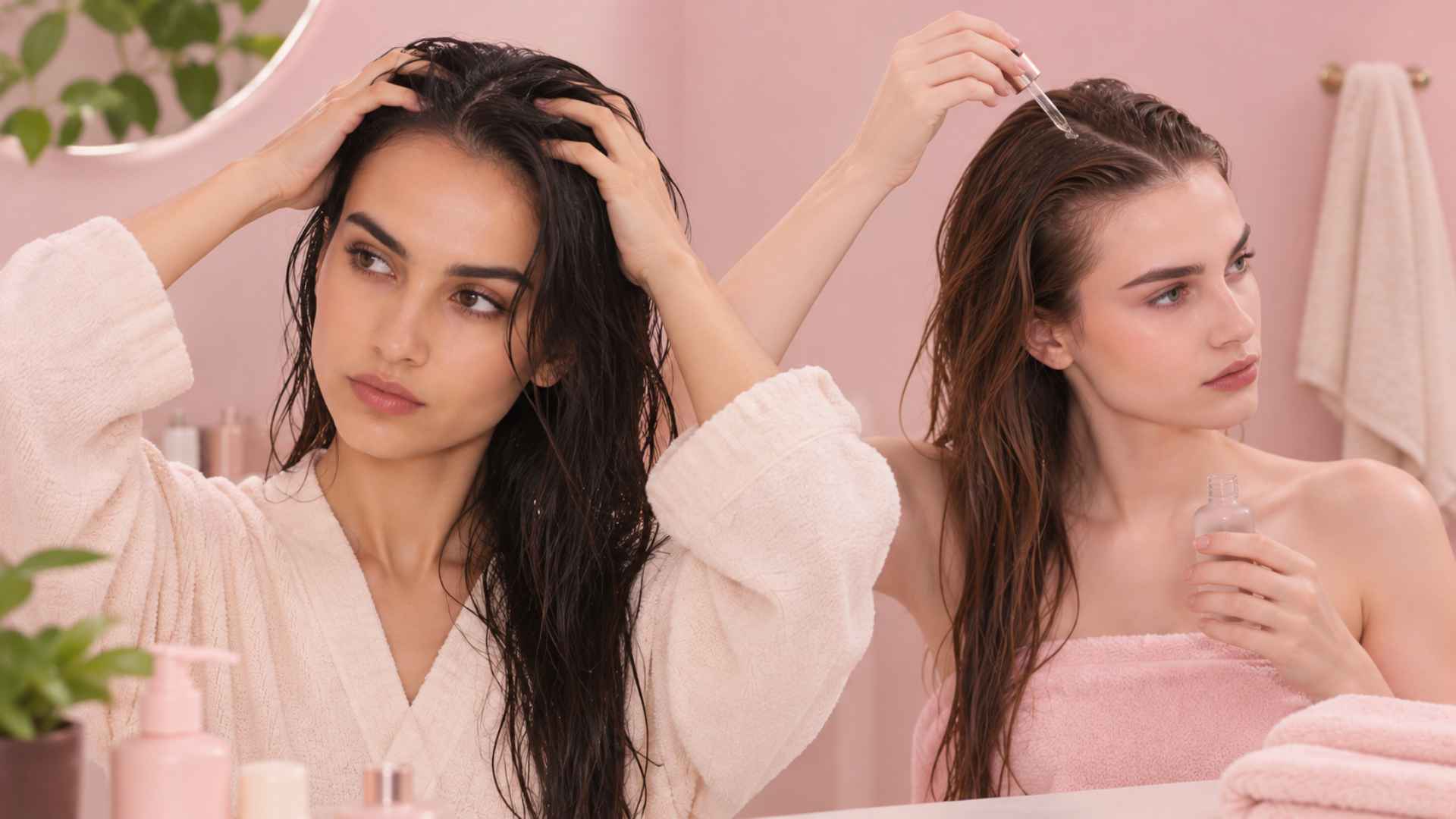
Healthy hair depends on several factors, including genetics, age, nutrition, scalp condition, and daily care practices. Although hair products can improve appearance and manageability, they cannot permanently repair every form of damage to the hair shaft. Routine maintenance mainly helps limit breakage, reduce dryness, and maintain a comfortable scalp. Hair texture also affects individual needs. Fine, straight hair may become oily relatively quickly, while curly or tightly coiled hair often requires additional moisture and careful handling to prevent mechanical damage.
The structure of human hair explains much of its response to everyday treatment. Each strand consists primarily of keratin proteins, with an outer cuticle that protects the inner layers. Repeated exposure to heat, friction, chemical treatments, and excessive tension can damage this protective surface. Once the visible hair shaft becomes severely damaged, it cannot regenerate like living skin. New hair develops inside follicles beneath the scalp. Daily care therefore focuses on preserving existing strands while supporting normal scalp conditions and hair growth.
Gentle Shampoo Habits and Proper Scalp Maintenance
Shampoo removes excess sebum, sweat, dirt, and residue from the scalp. The appropriate frequency depends on hair texture, oil production, activity level, and product use. People with oily scalps may benefit from frequent washing, while those with dry or tightly coiled hair may need longer intervals between washes. There is no universal schedule suitable for everyone. Shampoo should mainly be applied to the scalp, where oil and residue accumulate. As the shampoo is rinsed away, it also cleanses the hair lengths without requiring vigorous scrubbing.
Conditioner plays a different role by reducing friction between strands and improving their ability to retain moisture. It generally contains substances that help smooth the hair surface, making detangling easier. For fine hair, concentrating conditioner on the mid lengths and ends may prevent an overly heavy appearance. Dry, curly, or chemically treated hair may benefit from conditioning throughout the lengths. Lukewarm water is a practical choice for cleansing because excessively hot water can increase dryness and discomfort. However, cold rinses have not been reliably shown to seal hair cuticles or permanently increase shine.
Preventing Hair Damage From Heat and Physical Tension
Hair dryers, straighteners, and curling irons expose hair to elevated temperatures that can alter its structure. Repeated high heat treatment may weaken strands, increase surface roughness, and contribute to split ends. Lower temperature settings and reduced contact time can limit this damage. Hair dryers should be kept at a reasonable distance from the hair and moved continuously rather than held over one section. Heat protective products may reduce some thermal effects, but they cannot guarantee complete protection against high temperatures or frequent use.
Mechanical stress is another common cause of hair breakage. Rough towel drying, repeated brushing, and forceful detangling can damage the cuticle, particularly when hair is wet. A soft towel or cotton shirt can absorb excess water without aggressive rubbing. A wide tooth comb is useful for gently removing tangles, starting near the ends and gradually moving upward. For tightly curled hair, detangling while damp and conditioned may be preferable. Tight ponytails, braids, and extensions can also place continuous pressure on follicles, potentially causing traction alopecia. Prolonged tension may result in permanent hair loss.
Nutrition, Lifestyle, and Long Term Hair Health
Hair follicles require adequate nutrients to support normal growth. Protein supplies amino acids used in keratin production, while iron and zinc contribute to biological processes associated with healthy follicles. Deficiencies in these nutrients can be linked to increased hair shedding. A balanced diet that includes suitable protein sources, vegetables, fruits, whole grains, and healthy fats generally provides a better foundation than unnecessary supplements. Biotin deficiency can affect hair health, but it is uncommon, and additional biotin has not been proven to improve hair growth in people who already obtain sufficient amounts.
Overall health also influences the normal hair growth cycle. Significant illness, rapid weight loss, major physiological stress, and inadequate calorie intake can trigger temporary excessive shedding known as telogen effluvium. This condition often becomes noticeable several months after the triggering event. Adequate nutrition and recovery are important, although improvement may take time because hair grows through gradual biological cycles. Water intake should support normal hydration needs, but drinking more water than the body requires has not been demonstrated to accelerate hair growth or repair damaged strands.
Persistent scalp problems deserve attention beyond routine cosmetic care. Dandruff, redness, persistent itching, or unusual flaking may indicate conditions that require appropriate treatment. Sudden shedding, patchy hair loss, or progressive thinning can have several causes, including hereditary patterns, medical conditions, and medication effects. A dermatologist can assess the scalp and determine whether additional tests or treatments are appropriate. Gentle washing, suitable conditioning, moderate heat exposure, and reduced physical tension remain practical habits for everyday maintenance. Their value lies in limiting avoidable damage and preserving hair condition over time, rather than promising rapid or dramatic changes.