
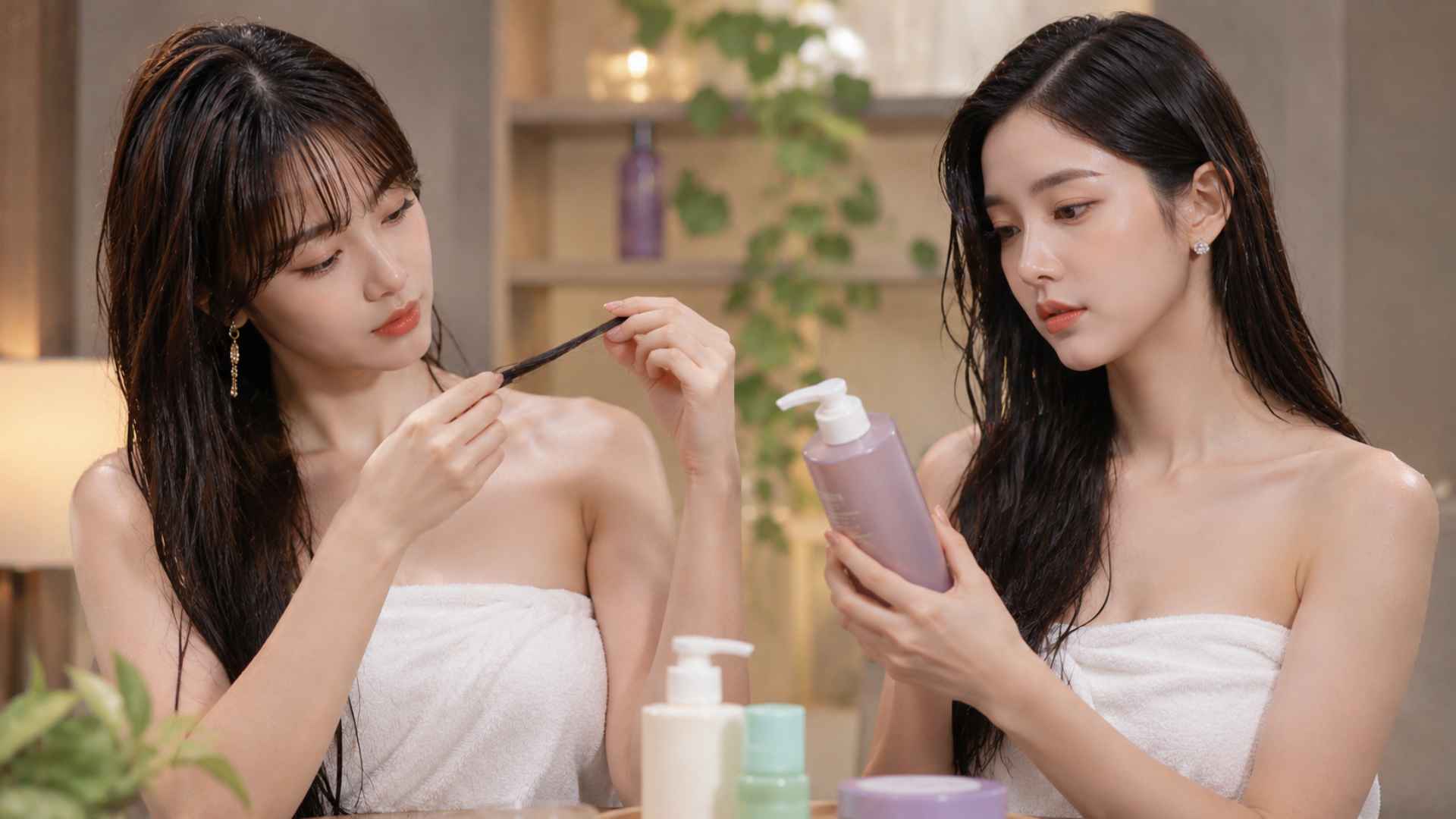
Hair flexibility is an important part of keeping strands healthy, manageable, and less likely to break during everyday styling. Healthy hair should be able to stretch slightly when pulled and return to its natural shape without snapping easily. However, this ability depends on several factors, including the condition of the hair structure, the amount of moisture it retains, and the strength of its protein components. When these elements are not properly balanced, hair may become dry, stiff, weak, or difficult to manage.
Protein and moisture play different but equally important roles in maintaining healthy hair. Protein helps support the structure of each strand, while moisture helps keep hair soft and flexible. Neither should be ignored when building a hair care routine. Understanding how these two elements work together can help people make better product choices, reduce unnecessary damage, and maintain hair that feels smoother and responds better to daily styling.
Understanding The Role Of Protein In Hair Strength And Structure
Hair is mainly made of a protein called keratin, which forms the basic structure of each strand. Keratin gives hair much of its strength, shape, and resistance to physical stress. When hair is exposed to frequent coloring, bleaching, heat styling, or chemical treatments, its protective outer layer and internal structure can become damaged. This may leave strands weaker, rougher, and more likely to break. Protein based hair treatments are designed to help improve the feel and condition of damaged hair by supporting the areas affected by everyday wear and chemical processing.
Protein treatments can be useful for hair that feels weak, overly stretchy, or prone to snapping, especially after chemical services. Some products contain hydrolyzed proteins, which are smaller protein fragments that can attach to the hair surface and temporarily improve its feel and appearance. Ingredients such as hydrolyzed keratin, wheat protein, and silk protein are commonly used in conditioners and repair treatments. However, these products do not permanently rebuild severely damaged hair. Their effects depend on the formula, hair condition, and frequency of use, so choosing a suitable treatment is more helpful than applying protein products too often.
Why Moisture Is Essential For Maintaining Hair Flexibility
Moisture plays a major role in keeping hair soft, smooth, and easier to handle. Hair naturally contains water, and its moisture level can influence how flexible individual strands feel. When hair becomes excessively dry, it may feel rough, stiff, and difficult to detangle. Dry strands can also experience more friction when brushing or styling, which increases the chance of mechanical breakage. Regular conditioning helps improve the hair surface, reduce friction, and support better moisture retention. Ingredients such as glycerin, aloe vera, panthenol, and certain conditioning agents are commonly included in products designed to improve softness and manageability.
Several everyday habits can contribute to moisture loss and make hair less flexible over time. Frequent washing with harsh shampoos, excessive heat exposure, prolonged sunlight, and chemical treatments can all affect the hair’s condition. Environmental factors such as dry air and wind may also make hair feel less manageable. Using a suitable conditioner after shampooing can help smooth the cuticle and reduce friction between strands. Leave in conditioners and moisturizing masks can provide additional conditioning when needed. The goal is not to make hair feel excessively wet or coated, but to maintain a comfortable level of softness that supports easier movement and styling.
Finding The Right Protein And Moisture Balance For Healthy Hair
Maintaining hair flexibility requires more than choosing between protein treatments and moisturizing products. Both serve different purposes, and the right balance depends on the current condition of the hair. Hair that feels weak and stretches excessively before breaking may benefit from a suitable protein treatment. On the other hand, hair that feels rough, dry, and difficult to comb may need more conditioning and moisture support. These signs are useful starting points, but they are not perfect diagnostic tests because hair texture, damage history, and product buildup can influence how strands behave.
A practical hair care routine should focus on observing how hair responds to different products. For example, someone with bleached or frequently heat styled hair may benefit from occasional protein treatments combined with regular moisturizing conditioners. Someone with relatively healthy hair may only need a gentle shampoo, a suitable conditioner, and occasional deep conditioning. There is no universal schedule for protein treatments because different hair types and damage levels have different needs. Instead of following a strict routine, pay attention to changes in softness, elasticity, tangling, and breakage. Adjusting product use gradually makes it easier to understand what works.
It is also important to remember that too much of either protein or moisture focused conditioning can create unwanted results. Frequent use of certain protein rich products may leave some hair feeling stiff, rough, or less manageable, although this response depends on the formulation and individual hair condition. Meanwhile, using heavy moisturizing products excessively may cause buildup, leaving strands feeling coated or weighed down. A balanced routine should combine gentle cleansing, regular conditioning, appropriate treatments, and careful styling habits. Reducing high heat, avoiding aggressive brushing, and protecting hair during chemical services can also help preserve its condition.